On July 25th, the picturesque Guanacaste Province of Costa Rica commemorates a significant event in its history – the Annexation of Guanacaste. This day marks the region’s integration into Costa Rica, and its people come together to celebrate their cultural heritage, rich history, and vibrant traditions. Let’s delve into the historical significance and the vibrant festivities that make this celebration truly unforgettable.
Understanding the Historical Significance
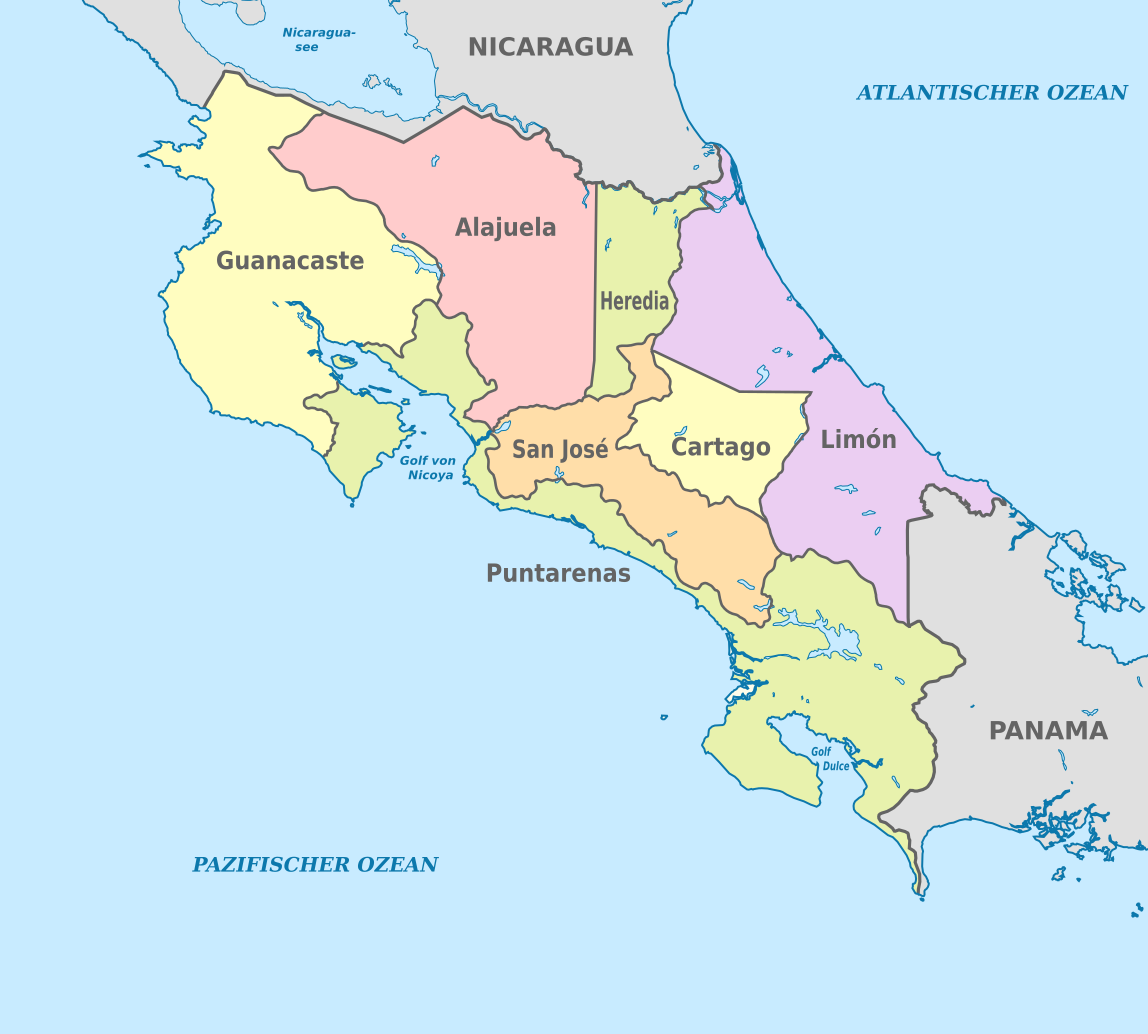
The Annexation of Guanacaste stands as a pivotal moment in Costa Rica’s history, signifying a significant turning point that shaped the country’s territorial expansion and cultural identity. Prior to this event, Guanacaste was a part of Nicaragua, but its people chose to voluntarily join Costa Rica, a decision that has had far-reaching consequences on both a national and regional scale.
The origins of this historical event can be traced back to the early 19th century, when Central America was grappling with political changes following its independence from Spain. After the dissolution of the Federal Republic of Central America in 1838, individual nations emerged, each seeking to define its borders and assert its sovereignty. It was during this time that Guanacaste found itself at a crossroads.
Facing economic hardships and administrative difficulties, the people of Guanacaste recognized the potential benefits of becoming a part of Costa Rica. They saw in the young nation a promising future, characterized by political stability, economic opportunities, and a shared cultural heritage. As a result, on July 25th, 1824, through a legal and peaceful process, Guanacaste became an integral part of Costa Rica.
Guanacaste’s annexation not only brought territorial expansion but also added a vibrant mosaic of cultural diversity to Costa Rica. The province’s population is a fusion of indigenous communities, African descendants, and Spanish settlers, creating a unique blend of traditions, languages, and customs that contribute to the rich cultural fabric of the country.
Festivities and Celebrations
The Annexation Day celebrations in Guanacaste are a riot of colours, sounds, and flavours. Traditional folk dances, such as the Punto Guanacasteco, take centre stage, accompanied by lively marimba music that fills the air. Local artisans showcase their crafts, and the tantalizing aroma of traditional Costa Rican cuisine wafts through the streets, enticing locals and tourists alike.


A Symbol of Guanacaste’s Identity One of the highlights of the celebrations is the grand horse parade. Horses adorned with elaborate traditional costumes parade through the streets, symbolizing the region’s deep-rooted equestrian heritage. The spectacle attracts spectators from all over the country, who gather to witness this magnificent display of pride and tradition.
The Annexation of Guanacaste on July 25th is more than just a historical event; it is a vibrant celebration of Costa Rica’s cultural diversity and the deep-rooted unity that binds its people together. From lively folk dances to traditional horse parades and bull riding, the festivities capture the essence of Guanacaste’s identity and the enduring spirit of Costa Rica as a nation. As the colourful celebrations continue to enchant locals and visitors alike, they serve as a reminder of the shared history and heritage that make Costa Rica a truly exceptional destination in Central America.



 ES
ES
0 Comments